

China Book Paper Supplier & Manufacturer

Global Supply Chain Resilience • Industry 4.0 Text Printing Solutions • Professional E-E-A-T Authority

Global Book Paper Industry: Technical Whitepaper

An in-depth analysis of cellulose engineering, high-bulk structural properties, and supply dynamics shaping modern offset and digital book publishing.

The Architecture of High-Bulk Book Paper

In the global publishing ecosystem, the physical properties of paper are crucial. Book paper (also known as publishing or text paper) requires a precise balance of mechanical strength, ink interaction, and opacity. Grounded in advanced cellulose engineering, modern book paper manufacturing utilizes a blend of long-fiber softwood kraft pulp (for structural integrity and tear resistance) and short-fiber hardwood pulp (for opacity, uniform sheet formation, and surface smoothness).

As a premier China Book Paper Supplier & Manufacturer, Jingkuo International optimizes the wood pulp cooking process to preserve the fiber structure. The goal is to maximize the "bulk factor" (the ratio of paper thickness to its basis weight). High-bulk paper allows publishers to produce thick volumes without increasing weight, reducing international shipping costs while maintaining a high-quality feel.

Furthermore, control over the Parker Print-Surf (PPS) roughness and Cobb sizing parameters prevents ink show-through (strike-through) during high-speed offset printing. This is particularly important for double-sided educational textbooks and monochrome novels.
About Jingkuo Mill Shandong

Technical Specifications: Standard vs. Premium Offset Book Paper

Property Parameter Testing Standard Standard Grade Book Paper Premium Offset Grade (Jingkuo) Publishing Benefits
Grammage Range ISO 536 60 gsm - 100 gsm 50 gsm - 120 gsm Versatility across light pocketbooks and heavy encyclopedias.
Bulk Factor (Caliper) ISO 534 1.15 cm³/g - 1.35 cm³/g 1.50 cm³/g - 2.10 cm³/g Creates a thick book backbone with lightweight handling.
ISO Opacity ISO 2471 84% - 92% 88% - 98% Minimizes backside text transparency, key for readability.
ISO Brightness (OBA Control) ISO 2470 95% - 105% 75% - 88% (Natural/Cream options) Lowers eye strain for reader comfort. Whiteness adjusted per market.
Surface Roughness (PPS) ISO 8791-4 4.5 µm - 5.5 µm 2.8 µm - 3.8 µm Enables clean ink transfer without dot gain or surface dusting.
Tensile MD/CD Strength ISO 1924-2 Standard mechanical limit Extended high-speed runnability Minimizes paper web breaks on high-speed web presses.

China Factory 4.0: Supply Chain Resilience & Smart Manufacture

How we leverage advanced industrial technology to ensure product quality and reliable supply to global publishers.

Advanced Automated Pulp Preparation

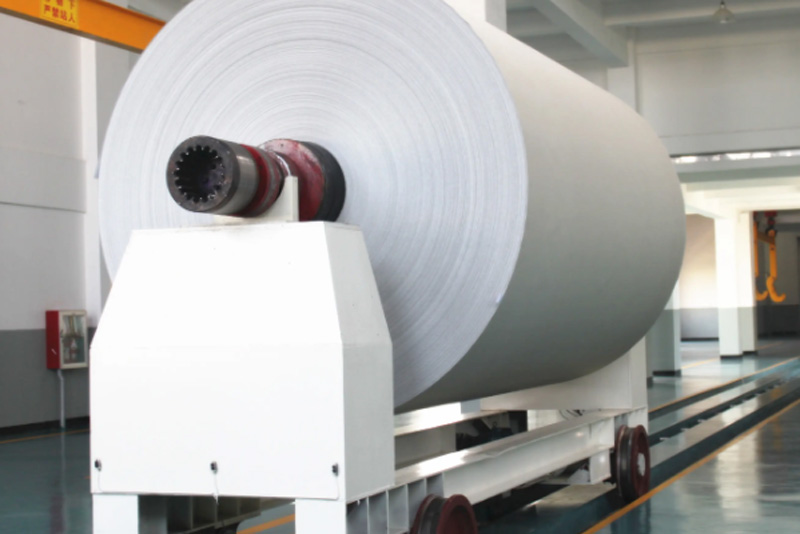
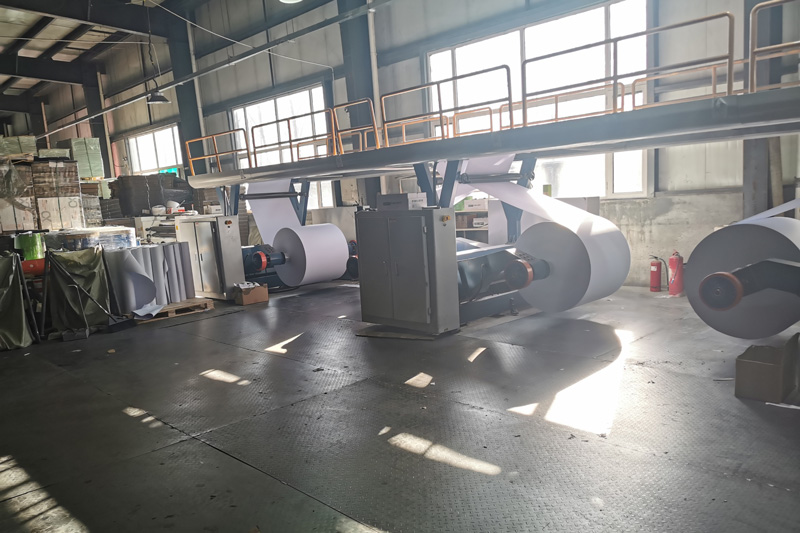
Our Dongping factory in Shandong runs 8 high-grade production lines using automated pulping controls. This digital monitoring maintains consistent fiber length, pulp consistency, and chemical additions, ensuring uniform quality across production runs.

Active Basis-Weight & Caliper Control

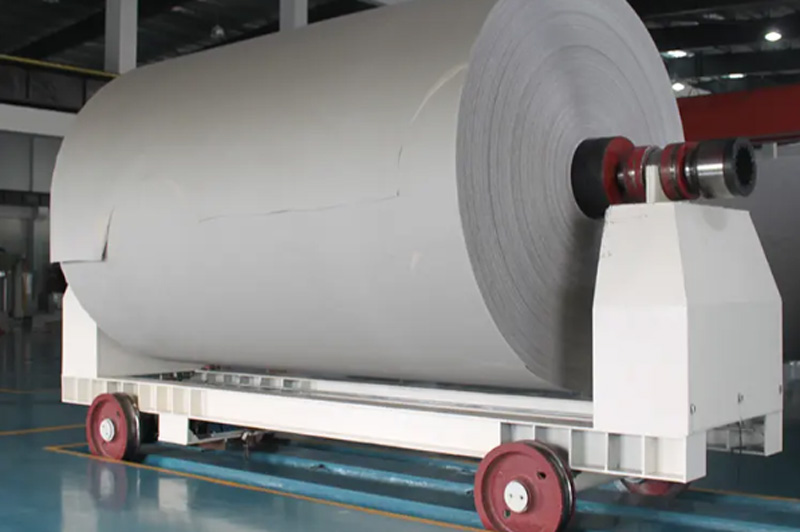
Equipped with online scanner systems, the paper web is continually measured for grammage, moisture level, and thickness. Any deviation is corrected immediately at the headbox, ensuring high print quality and trouble-free press runs.

FSC Custody & Environmental Management

We follow strict environmental standards, sourcing fiber from sustainably managed plantations. Our closed-loop water systems and biological effluent treatments meet rigorous environmental compliance standards.

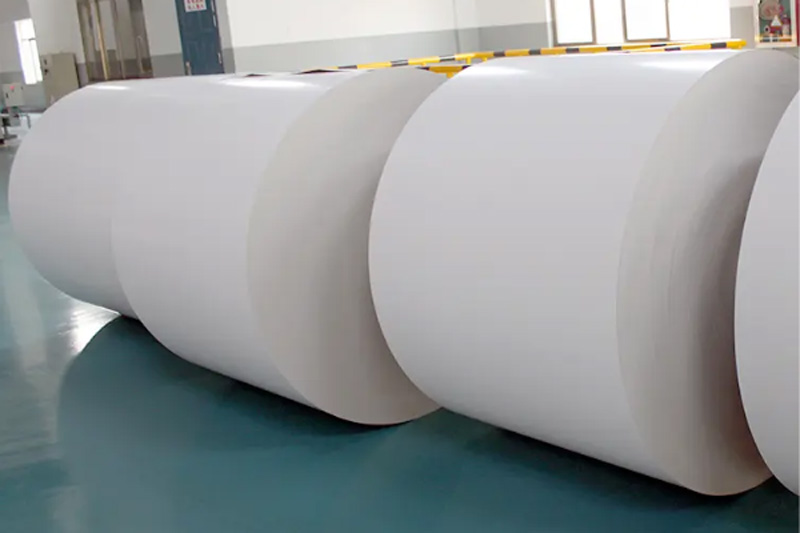
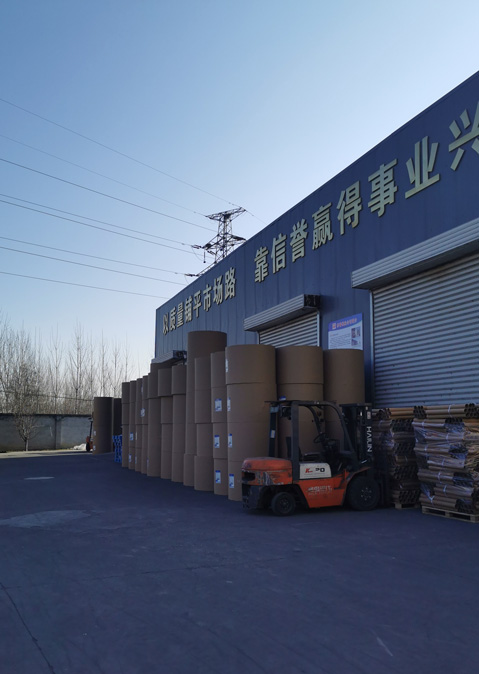
Paper Rolls at Mill Storehouse

Corporate Footprint: Tianjin Port Free Trade Zone & Shandong Manufacture

Tianjin Port Free Trade Zone Jingkuo International Trade Co., LTD integrates production with global trade. With 15 years of industry experience, our primary manufacturing facility is located in Dongping, Shandong, China, covering an area of 60,000 square meters.

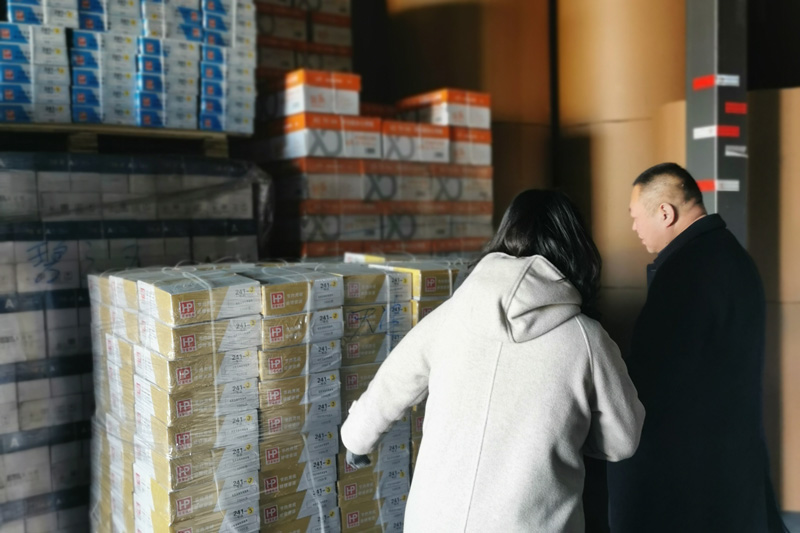
With an annual output of 60,000 tons of high-grade paper products, our facility is equipped with automated testing labs and strict quality control teams to ensure compliance with ISO 9001 and ISO 14001 standards. Our location within the Tianjin Port Free Trade Zone allows us to manage export customs efficiently, store inventory dynamically, and offer competitive pricing.

15+
Years Industry Experience
60K Sqm
Manufacturing Facility
60K Tons
Annual Mill Yield

Global Market Evolution & Localized Application Scenarios

How Jingkuo supports diverse markets, from high-speed commercial presses in India to educational publishers in South Africa.

Educational Textbook Publishing

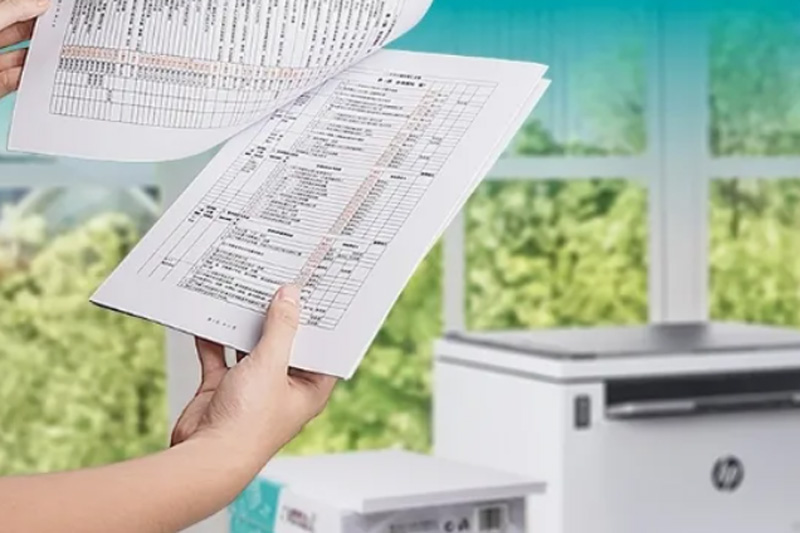
Standardized textbooks require clean page surfaces, excellent printing runnability, and high tear resistance to handle daily student use. Our low-glare, cream-tinted offset papers are popular in South Asia, South America, and Africa for their quality and reading comfort.

Monochrome & Literary Publishing

For novels and long-form literature, our high-bulk uncoated woodfree papers (WFU) provide a tactile feel and distinct page flexibility. These papers are engineered for clean binding, preventing page adhesive failures.

Commercial Offset & Catalogues

For promotional material and high-volume offset printing, our smooth offset papers are designed to handle rapid ink absorption. This minimizes surface smudging and allows high printing speeds, meeting tight commercial print deadlines.

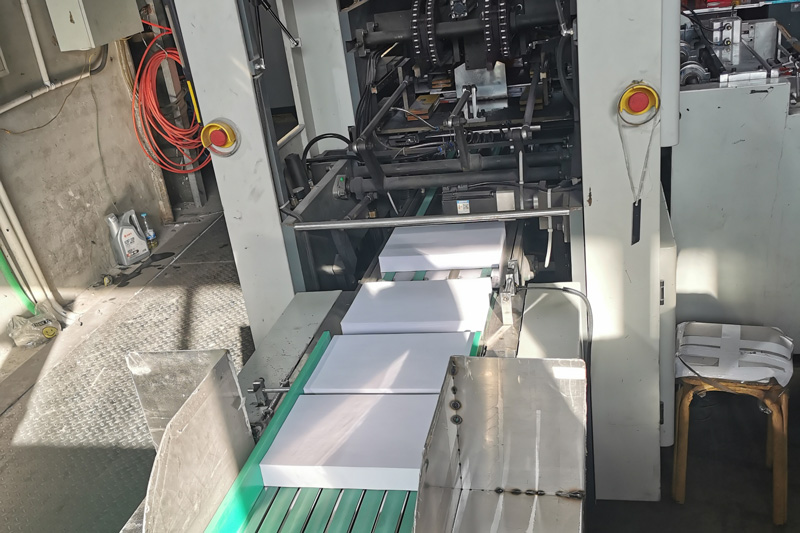
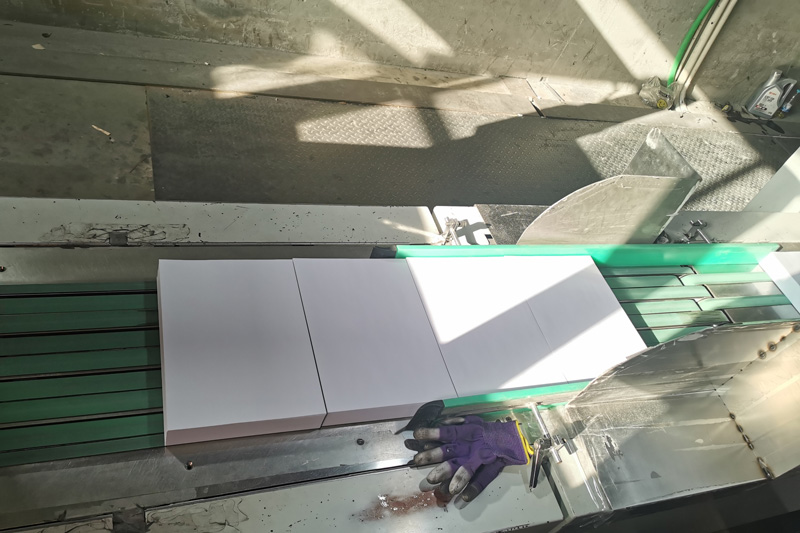
Automated Mill Infrastructure & Quality Inspection

Proven Logistics Performance & Partner Success Cases

Real-world examples of how our supply chain integration helps clients optimize costs and secure reliable inventory.

Case Study Retailer

Global Educational Publisher Supply Chain Continuity

Challenge: An international educational book retailer faced supply chain disruptions and high ocean freight costs during seasonal textbook printing periods.

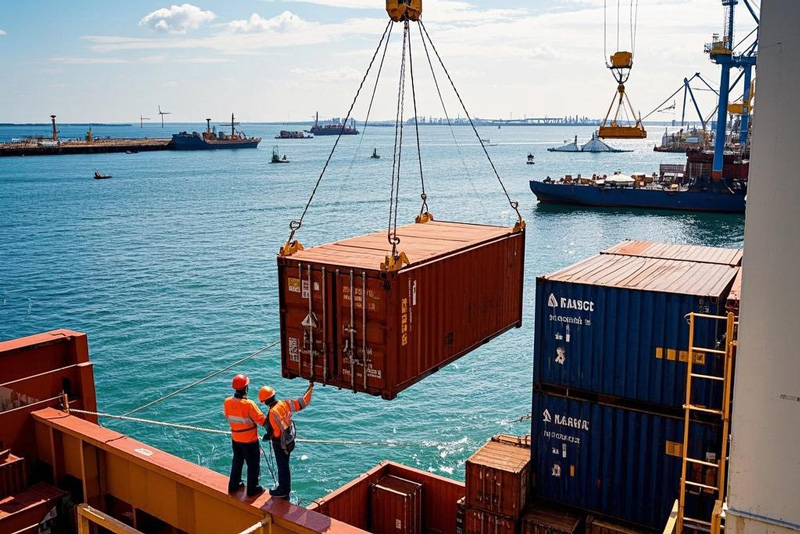
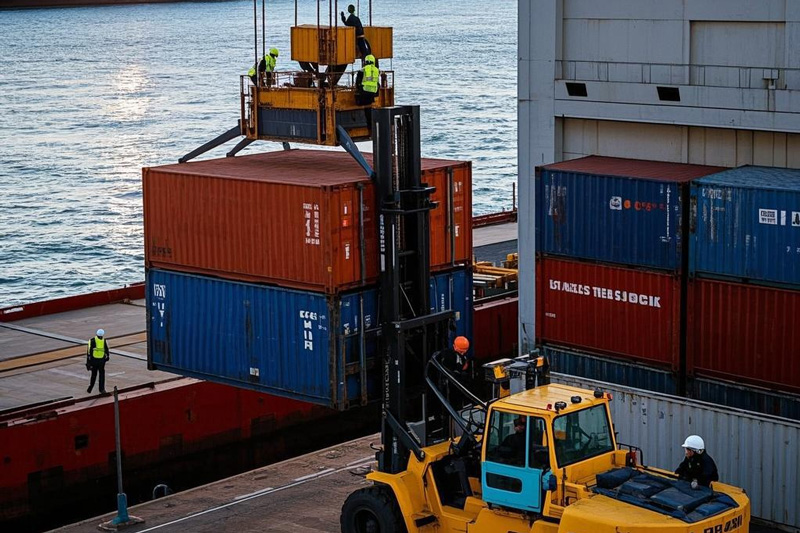
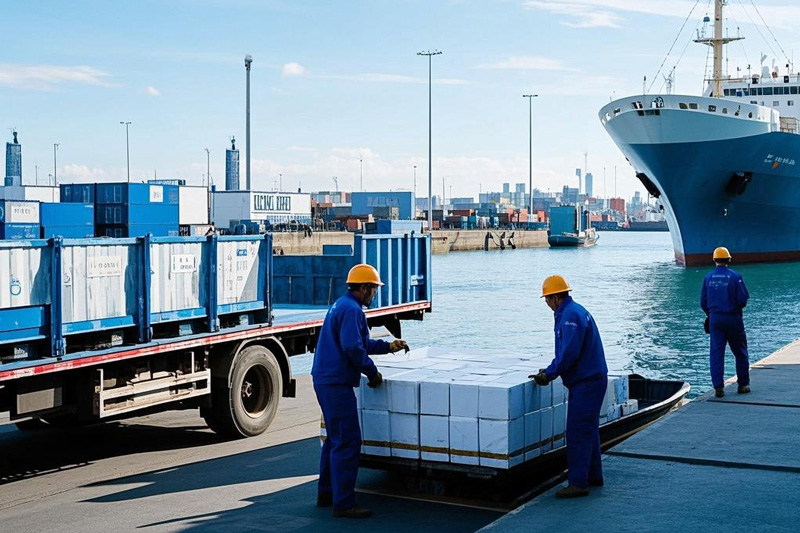
Solution: Jingkuo established a dedicated inventory program and secured shipping space from Tianjin Port. This ensured on-time container arrivals and stable paper costs for the client.

View Case Study Details →
Case Study Small Business

Cost Optimization for Regional Printing Press

Challenge: A regional commercial printer struggled with paper cost fluctuations and inconsistency in sheet flatness, causing press feed errors.

Solution: Jingkuo supplied offset paper with controlled moisture profiles, reducing print-shop waste and cutting paper costs by 20% for the client.

View Case Study Details →

Answers to Common Book Paper Procurement Questions

Technical answers to support publishing managers, paper importers, and technical print directors during supplier selection.

Why is the bulk factor critical in book paper selection, and how does Jingkuo optimize it?
The bulk factor (thickness divided by basis weight) determines the spine width of a book. A higher bulk factor allows publishers to use lower grammage paper while maintaining a thick book feel, reducing overall paper weight and shipping costs. Jingkuo achieves high bulk levels (up to 2.1 cm³/g) by optimizing the wood pulp mix—incorporating selected hardwood kraft fibers—and using soft-nip calenders to preserve fiber thickness.
What are the advantages of sourcing paper products through Tianjin Port Free Trade Zone?
Our location in the Tianjin Port Free Trade Zone offers significant logistical and cost benefits. It allows us to import raw pulp under tariff-exempt bonds, lowering production costs. Additionally, we can coordinate customs clearance efficiently and store export inventory securely, reducing lead times for global shipments.
How does Jingkuo ensure consistent print runnability and prevent paper web breaks?
We focus on fiber bonding strength by maintaining a precise mix of long softwood fibers. We also monitor paper tension parameters and run automated slitting inspections to eliminate edge defects, which are the main cause of web breaks on high-speed commercial printing presses.
Do you offer OEM/ODM customization for paper roll widths and basis weights?
Yes. Our Shandong plant can customize basis weights from 50 gsm to 120 gsm, with custom roll widths (from 420mm to 2000mm) and sheet dimensions tailored to specific press configurations. We also provide customized packaging, including moisture-resistant polyethylene wrapping and secure wooden pallet mounts.
What eco-certifications and environmental standards do your paper products meet?
We prioritize environmental compliance. Our papers are produced using wood pulp from sustainably managed, certified plantations. Our manufacturing processes utilize chlorine-free bleaching (ECF/TCF) and meet ISO 14001 environmental management standards, helping clients comply with local green procurement requirements.