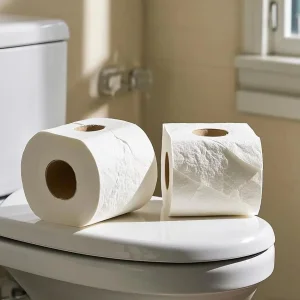
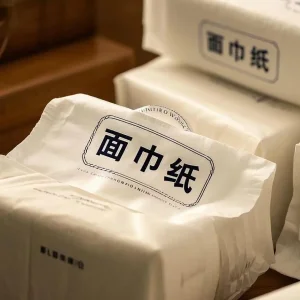
In the hyper-competitive consumer packaged goods (CPG) sector, procuring toilet paper and related tissue products demands a strategic balance of cost efficiency, strict quality controls, and robust logistics. Organizations scaling retail distribution or bulk commercial contracts search for reliable cheap toilet paper factories & manufacturers. However, the term "cheap" must not equate to low quality; instead, it represents cost leadership unlocked by optimized supply chains, technological integration, and raw material access.
This B2B industry whitepaper breaks down the cost structures, manufacturing procedures, regulatory environments, and sourcing strategies that enable global enterprise buyers to partner with high-efficiency factories in China. Through this overview, procurement teams can make informed decisions that mitigate risk and maximize margins.
Understanding how tissue paper costs are structured is critical for negotiation and strategic sourcing. The total landed cost of toilet paper generally divides into three main areas: raw materials, manufacturing energy/automation, and packaging/shipping logistics.
Whether using 100% virgin wood pulp, bamboo fiber, or recycled materials, raw fibers account for 50-60% of production costs. Virgin pulp offers high tensile strength and softness, while bamboo delivers eco-friendly credentials.
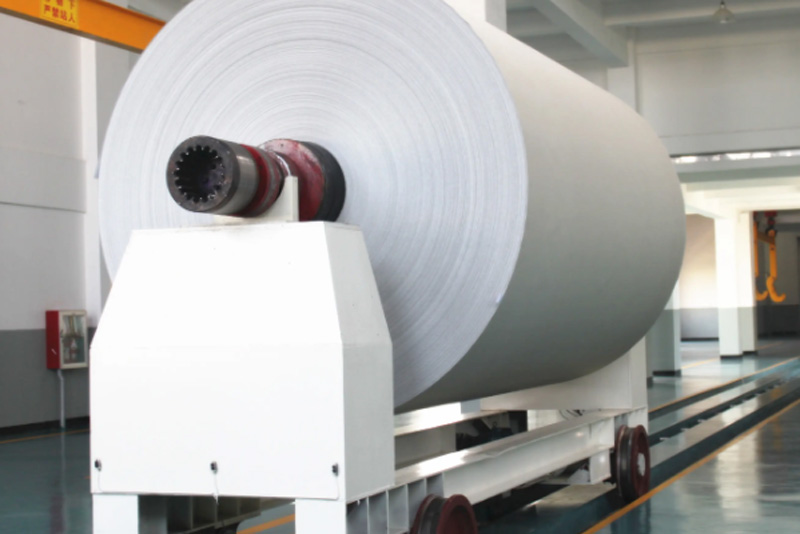
Converting parent jumbo rolls into embossed, perforated, and wrapped consumer rolls requires high-speed machinery. Automation reduces manual labor costs while ensuring precise weight and dimension consistency.
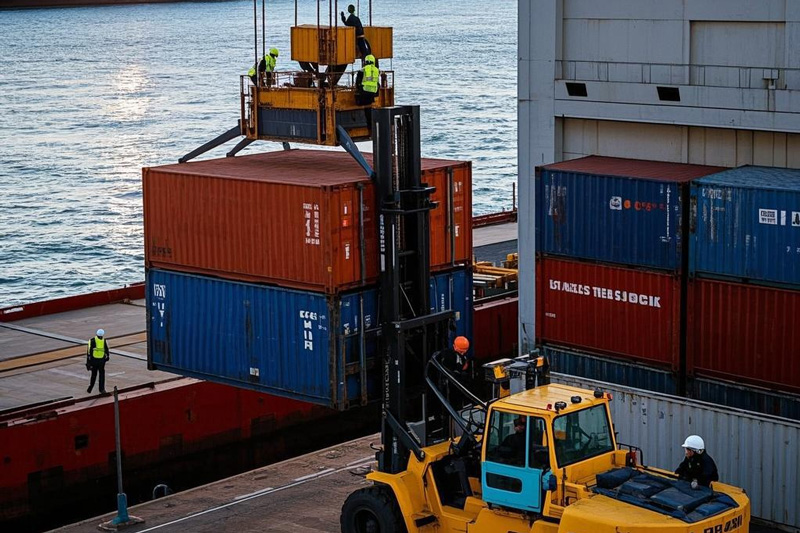
Because toilet paper is a high-volume, low-density commodity, logistics can erode margins. Freight optimizations, such as compressed rolls and flat-pack shipping, help reduce container shipping costs.
China remains a primary hub for global tissue and paper converting operations. The nation's manufacturing sector maintains an edge through comprehensive raw material pipelines, specialized industrial hubs (such as Dongping, Shandong), and advanced deep-water port access like the Tianjin Port Free Trade Zone.
1. Economies of Scale: Chinese manufacturers operate massive plants equipped with multi-million-dollar papermaking lines. This high production volume keeps overhead costs low per unit.
2. Industrial Clusters: In regions like Shandong, paper factories sit alongside chemical processing plants, packaging manufacturers, and specialized machine builders. This geographic proximity speeds up product customization and minimizes transport costs for sub-components.
3. Dynamic Trade Zones: Operating within Free Trade Zones allows manufacturers to source imported wood pulp without paying heavy upfront customs duties. This system lowers working capital requirements and results in competitive pricing for international clients.
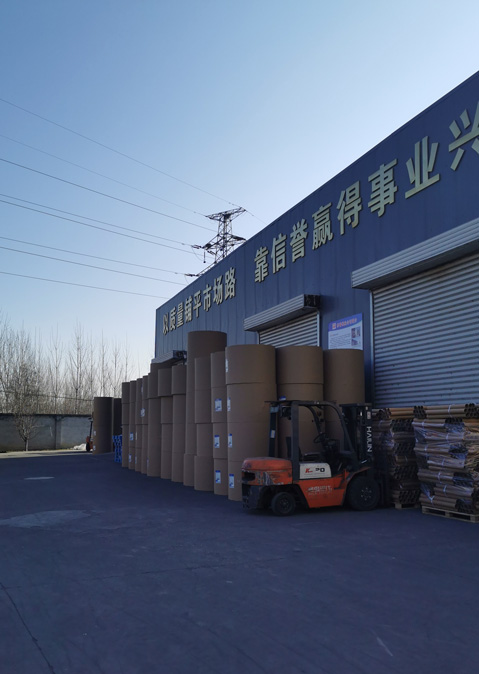
Tianjin Port Free Trade Zone Jingkuo International Trade Co., LTD integrates production and international trade, drawing on 15 years of industry experience. Our production plant in Dongping, Shandong, spans 60,000 square meters and features eight high-grade production lines. Equipped with comprehensive quality testing systems, we maintain a design output of approximately 60,000 tons annually.
By combining raw manufacturing capacity in Shandong with tax-optimized logistics and custom clearing capabilities at Tianjin Port, we streamline the export of tissue products, office paper, and custom packaging materials to markets worldwide.
International buyers must verify that manufacturers meet relevant quality standards to ensure product consistency and commercial safety.
These certifications verify that the factory uses consistent quality management procedures and actively measures and minimizes its environmental impact.
Forest Stewardship Council certification ensures that all wood pulp fibers are sourced from responsibly managed forests and verified supply chains.
For items that come into contact with skin, like facial tissues or sanitizing wipes, products must meet chemical safety and microbiological limits.
Sourcing from factories that pass BSCI or Sedex audits ensures compliance with fair labor practices, safe working conditions, and ethical manufacturing standards.
Large-scale distributors, supermarket chains, and office suppliers frequently require customized packaging, branding, and paper specifications. Our facility accommodates these requirements through dynamic manufacturing services:
1. Customizable Formulations: Brands can choose between ultra-soft multi-ply virgin sheets, durable recycled institutional rolls, or eco-friendly bamboo fiber blends.
2. Packaging Solutions: We support custom packaging options, including biodegradable paper wraps, bulk shrink-wrap, and shelf-ready display boxes tailored for international retail systems.
3. Flexible Product Profiles: We manufacture a wide range of paper types, including JUMBO ROLL base paper, JRT (Jumbo Roll Tissue), household toilet rolls, napkins, kitchen towels, and industrial wipes.
Different global regions have unique requirements for tissue products based on local preferences, economic conditions, and environmental standards.
Sellers in this region focus on balancing soft textures with high wet-strength tissue, tailored for daily home use at competitive price points.
European buyers prioritize FSC-certified products, plastic-free packaging, low carbon footprints, and unbleached organic bamboo alternatives.
This market requires high-volume Jumbo Roll Tissue (JRT) for public spaces, offices, and commercial facilities, with core sizes optimized for standard dispensers.
The tissue manufacturing sector is adopting new technologies to improve resource efficiency and reduce carbon emissions. These advancements help control production costs while meeting strict environmental standards.
1. Energy-Efficient Papermaking: Modern tissue machines use advanced steam recovery loops and automated drying systems to reduce overall energy use, lowering per-ton manufacturing costs.
2. Bio-degradable Packaging: More brands are replacing standard polyethylene plastic packaging with paper wraps and water-based coatings to meet plastic reduction goals.
3. Smart Supply Chains: Combining factory ERP systems with local customs APIs, especially in Free Trade Zones, speeds up ocean freight bookings and keeps production schedules aligned with shipping timelines.
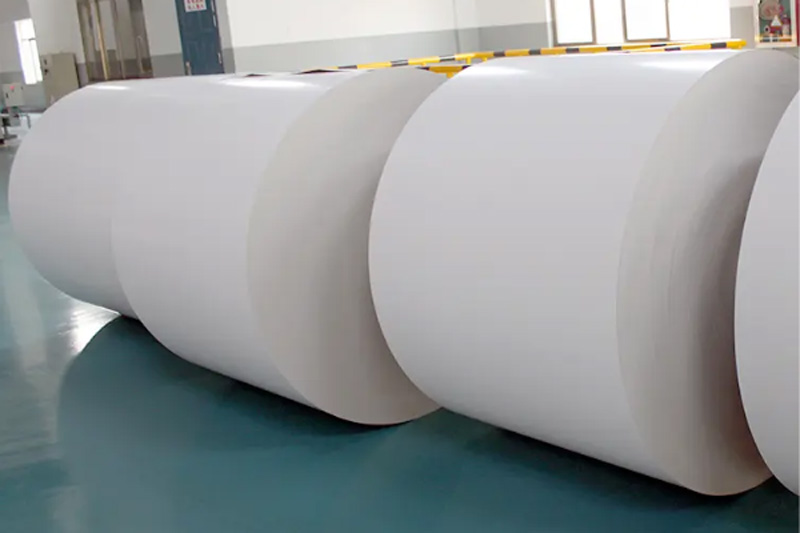
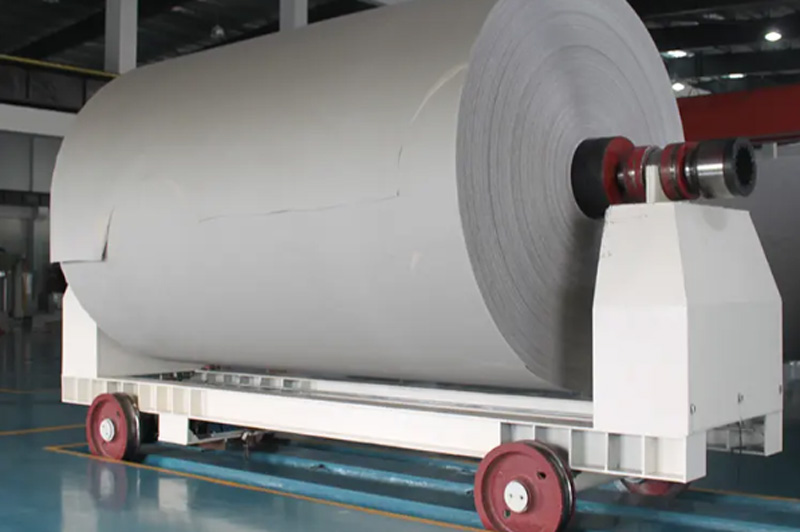
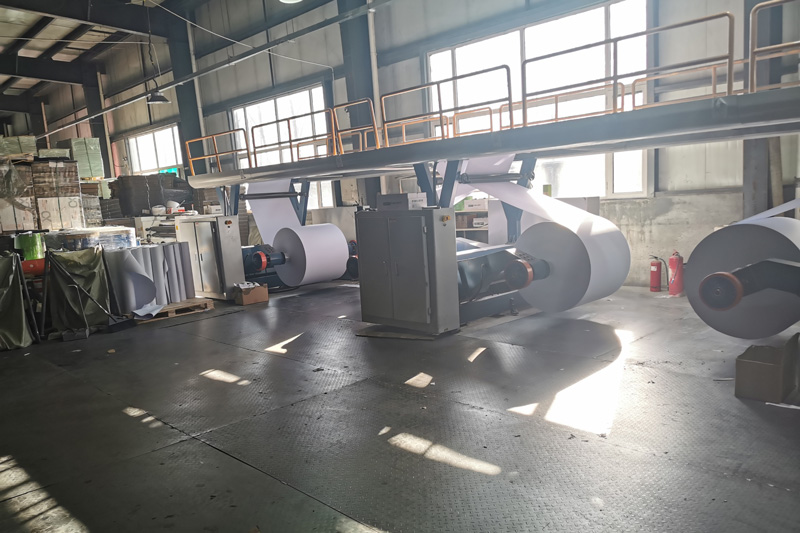
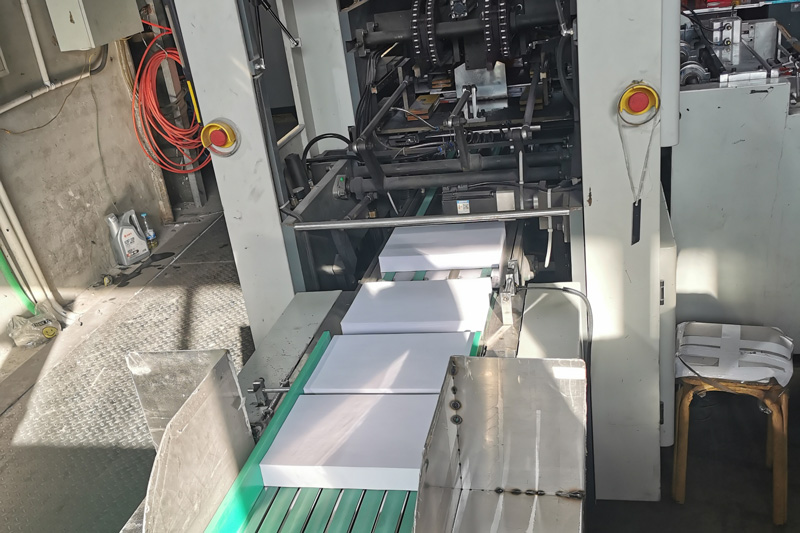
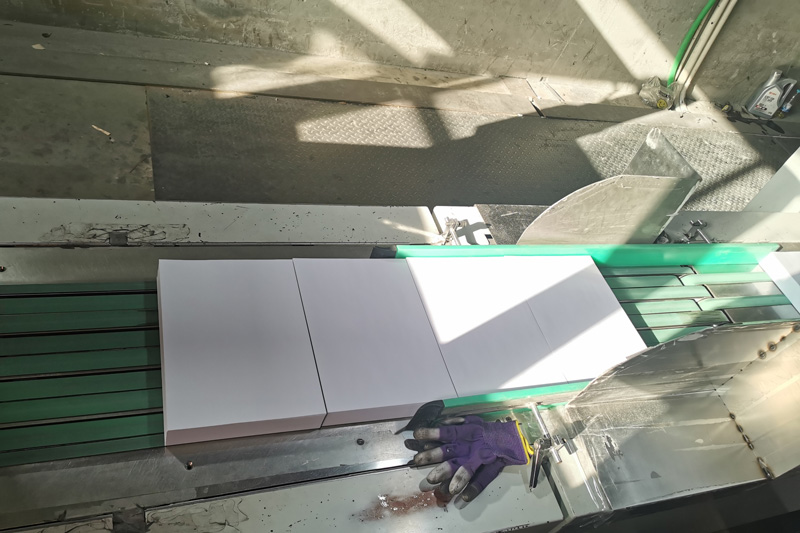
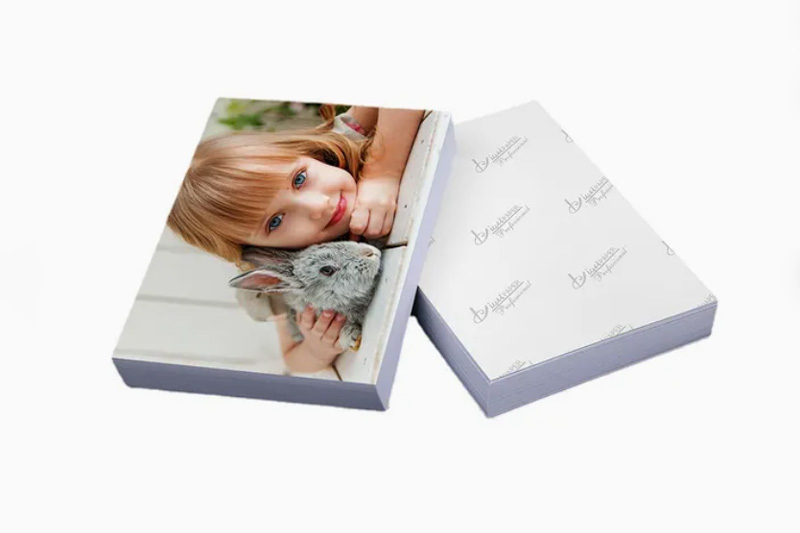
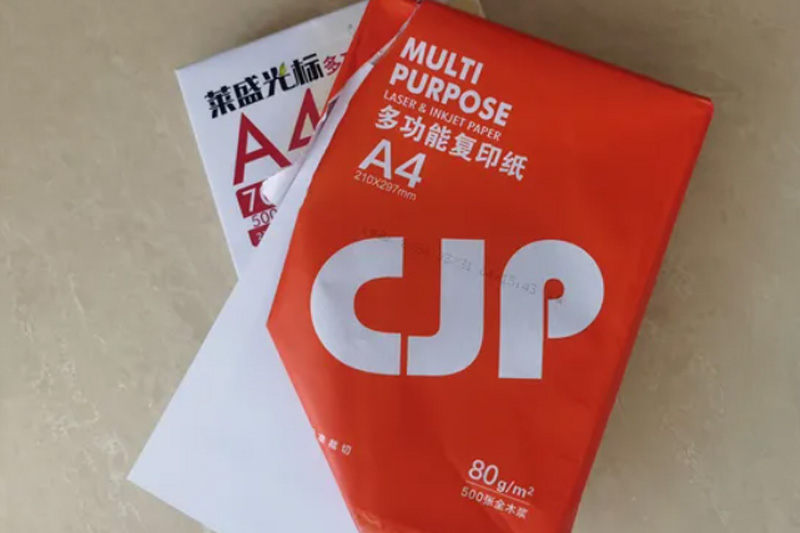
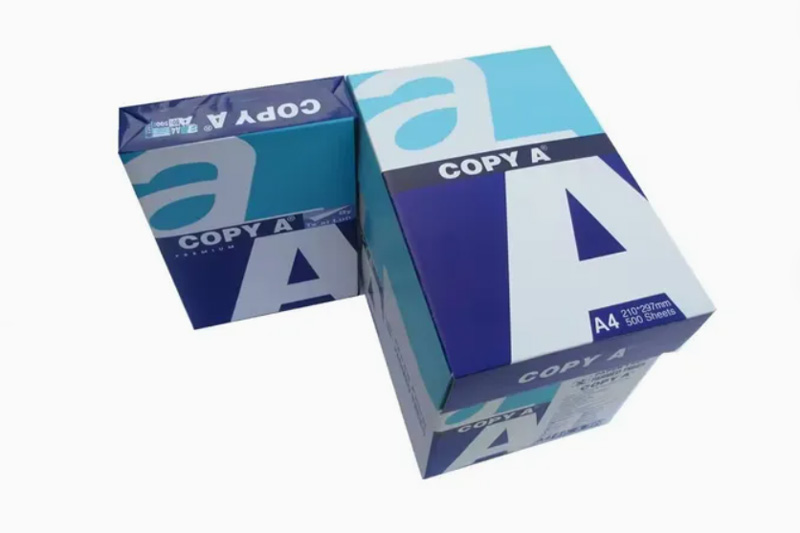
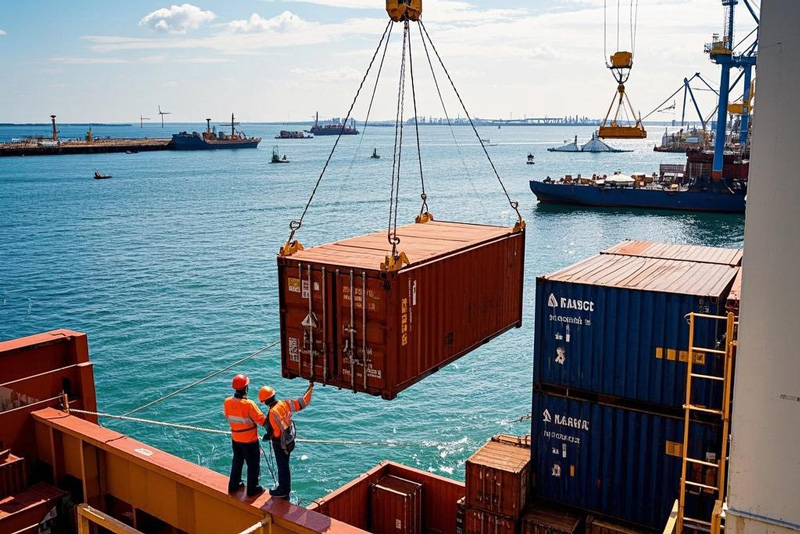
Take an inside look at our 60,000-square-meter facility, modern laboratory testing stations, high-speed converting machinery, and warehouse logistics centers.


 Jingkuo