10 Best Thermal Papers for Global Buyers in 2026?

Time:2026-10-07 Author:Sienna
0%

Choosing the right Thermal Papers in 2026 requires more than comparing roll prices. Global buyers must assess print clarity, coating stability, core dimensions, moisture resistance, and regulatory documentation. A low-cost roll may fade under warehouse lighting or leave residue on a compact printer. That small failure can disrupt thousands of receipts, labels, or shipping records.

Industry data supports a careful approach. Smithers’ report, The Future of Thermal Printing to 2028, identifies continued demand across retail, logistics, healthcare, and manufacturing applications. Its analysis also highlights pressure on suppliers to improve sustainability, material efficiency, and supply reliability. MarketsandMarkets’ thermal printing research points to expanding use of mobile printers, barcode systems, and point-of-sale equipment. These trends make paper compatibility increasingly important. The European Thermal Paper Association also provides technical guidance on chemical developers, recyclability, and responsible product selection. Buyers should request current safety data sheets, coating specifications, and migration-related test information from suppliers.

This guide evaluates ten leading Thermal Papers for global purchasing decisions in 2026. The comparison considers image density, shelf life, printer performance, packaging, customization, and total landed cost. Samples should be tested in the actual printer. Always test them. A roll that performs well in a laboratory may behave differently in humid ports, cold warehouses, or brightly lit stores. No ranking is perfect, especially when regional supply conditions change quickly. Some products may appear stronger because of better documentation rather than better coating performance. That limitation deserves attention. The final choice should balance verified performance, transparent sourcing, and dependable after-sales support.
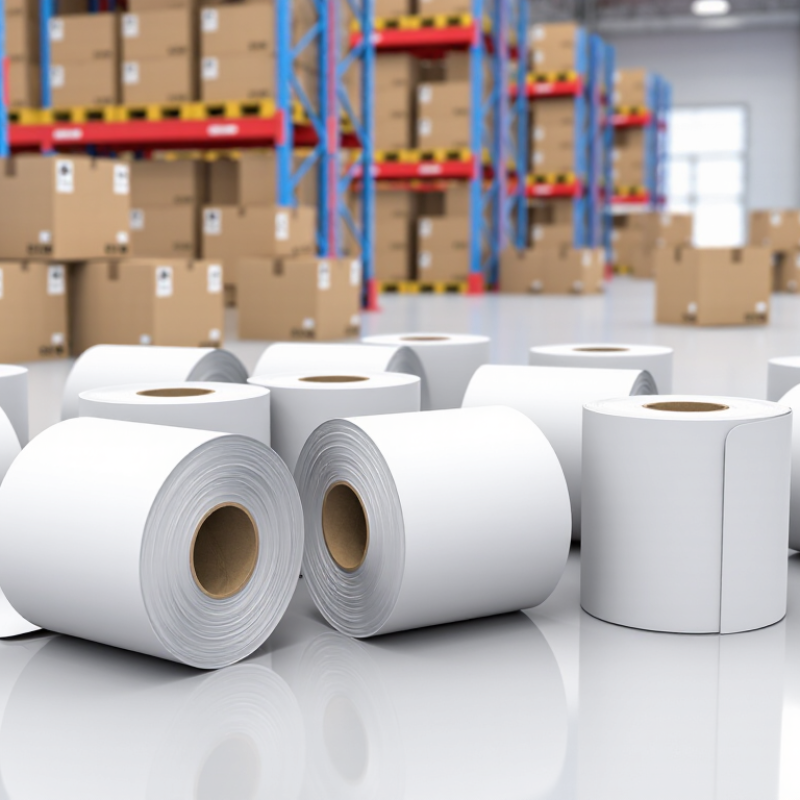
10 Best Thermal Papers for Global Buyers in 2026?

What Thermal Paper Is and How It Works

Thermal paper is a heat-sensitive printing material used in receipts, labels, tickets, and shipping documents. It does not need ink or toner. A thermal printer applies controlled heat through its printhead. The coated surface then changes color where the heat touches it.

Most thermal paper contains a base layer, a heat-reactive coating, and a protective top layer. The coating usually includes a color former and developer. Heat activates their reaction, creating sharp black marks.

Direct thermal paper works without a ribbon, while thermal transfer paper needs a ribbon for longer-lasting images. This difference matters in sunlight, high humidity, or rough handling.

Tips: Test sample rolls in the exact printer model before ordering. Check core size, roll width, winding direction, coating sensitivity, and storage conditions. Ask for safety documents and current chemical compliance statements for each destination market. A paper that performs well in a dry warehouse may fade quickly in a hot delivery vehicle. I have found that surface smoothness can affect printhead wear, although paper specifications alone may not reveal this problem. Global buyers should compare real print samples, not only laboratory data. Storage still gets underestimated. Keep rolls sealed, cool, dry, and away from direct light. Even the best thermal paper can fail when exposed to heat for too long.

How to Compare Thermal Paper Quality for Global Use

Global buyers often compare thermal paper by price first. That can be a costly shortcut. Quality depends on image clarity, coating stability, roll construction, and storage tolerance. A reliable sheet prints dark, even characters without excessive heat. It should also resist fading under ordinary indoor light. Check the paper’s basis weight, thickness, core size, and roll length. These details affect printer feeding and shipping efficiency. Ask for technical data, not vague claims. Request samples from more than one production lot. Small differences can reveal inconsistent coating.

For international use, test the paper in realistic conditions. Run receipts through the exact printer model used by customers. Store samples at room temperature, then expose them briefly to humidity, friction, and direct light. Compare black density, edge sharpness, curling, dust, and back transfer. A receipt that looks excellent today may fade after several weeks. We should admit one limitation: short tests cannot predict every climate. Hot, damp warehouses may produce different results. Independent laboratory testing adds confidence, especially for long-distance distribution. Keep records of test dates, batch numbers, and observed failures.

Tips: Measure roll diameter with a ruler. Check whether the core fits securely. Rub printed text with a clean finger. Examine fading after gentle heat exposure. Confirm packaging protects rolls from moisture. Do not judge quality from one perfect sample. A practical scorecard can rank print performance, durability, packaging, and total delivered cost. Clear supplier communication often suggests stronger process control, though not always. Keep a backup specification ready when conditions change.

The 10 Best Thermal Papers for Global Buyers in 2026

The 10 Best Thermal Papers for Global Buyers in 2026 should match the printer, application, and storage environment. The best choices are not identical for every market. High-sensitivity receipt paper suits busy retail counters and produces dark images with lower printer heat. Standard POS paper offers a practical balance between cost and readability. Mobile printer paper needs flexible rolls, smooth edges, and reliable feeding during transport.

For logistics, durable thermal labels handle barcode scanning, carton movement, and moderate moisture. Direct thermal shipping labels are convenient, but sunlight can fade them. Freezer-grade labels need adhesive performance at low temperatures. Medical-record paper requires clear imaging and dependable batch documentation. Archival thermal paper is designed for longer readability, although no thermal image should be treated as permanent without testing. Eco-conscious buyers may prefer phenol-free or responsibly sourced options, but claims require supplier evidence.

The remaining strong choices include ATM paper, parking paper, kiosk paper, and high-definition label stock. ATM rolls should resist dust and frequent handling. Parking paper needs stable printing across outdoor temperature changes. Kiosk rolls benefit from clean cutting and low paper dust. High-definition stock supports small text and dense barcodes. Check core size, roll diameter, coating uniformity, and humidity tolerance before ordering. Request samples and run them through the actual printer. A paper that performs well in a laboratory may fail beside a warm loading dock. That detail is easy to miss. Global buyers should also review material declarations and regional packaging requirements, because specifications can change.

Regional Standards, Certifications, and Sustainability Requirements

10 Best Thermal Papers for Global Buyers in 2026?

Regional compliance can change a thermal paper purchase completely. EU buyers may request REACH declarations, restricted-substance testing, and clear phenol content statements. North American customers often focus on chemical disclosure, recycling claims, and state-level requirements. Other regions may require local-language labels or additional importer documents. Check the destination market, not only the supplier’s certificate.

Reliable sourcing needs more than a logo on a document. Ask for recent laboratory reports, batch traceability, coating specifications, and storage guidance. FSC or PEFC certification can support responsible fiber sourcing. ISO 9001 may indicate controlled production systems, while ISO 14001 reflects environmental management practices. These certifications help, but they do not prove every roll meets every regional rule.

Sustainability also affects performance. Phenol-free coatings can reduce chemical concerns, yet they may behave differently under heat, humidity, or sunlight. Recycled fiber content sounds positive, but it can influence smoothness and print density. Test rolls in real machines. Check barcode contrast, image fading, curl, and adhesive interaction. A common mistake is accepting a generic “eco” claim without evidence. No checklist is perfect. Buyers should review new regulations annually and record their own test results. Small details matter, especially when a receipt sits in a hot delivery vehicle or a label faces cold storage.

How to Choose, Source, and Store Thermal Paper Internationally

International buyers need more than a low quoted price. Grand View Research estimated the global thermal paper market at about US$4.1 billion in 2023, with continued growth expected through 2030. Smithers’ The Future of Thermal Paper to 2028 also identifies retail, transport, healthcare, and logistics as important demand areas. These sectors require different sensitivity, durability, and roll specifications.

Start with the application. For receipt printers, confirm paper width, roll diameter, core size, GSM, and coating sensitivity. A warehouse label may need stronger image stability than a short-life receipt. Request technical data sheets, batch samples, and test results before placing a large order. Check whether the paper uses BPA-free or phenol-free chemistry, then verify the supplier’s compliance documents for your destination market. Reports help, but real samples reveal curl, dust, fading, and printer jams.

International sourcing adds practical risks. Agree on moisture barriers, carton strength, pallet limits, and humidity controls. Store rolls away from sunlight, heat, water, and chemicals. A stable room near 20–25°C is a sensible working target, with moderate humidity. Rotate inventory by production date. Older stock can print acceptably, until it suddenly does not. I have seen specifications match perfectly while packaging failed during sea transport. That deserves a second inspection, not an excuse.

FAQS

What is thermal paper used for?

Thermal paper is used for receipts, labels, tickets, and shipping documents. It prints through heat, not ink or toner.

How does thermal printing create an image?

A printer’s printhead applies controlled heat to the coated surface. Heat activates a color-forming reaction and creates dark marks.

What layers does thermal paper usually contain?

Most sheets include a base layer, a heat-reactive coating, and a protective top layer. The coating contains a color former and developer.

What is the difference between direct thermal and thermal transfer paper?

Direct thermal paper needs no ribbon. Thermal transfer paper uses a ribbon and usually produces more durable images.

How should buyers test thermal paper before ordering?

Test sample rolls in the exact printer model. Check width, core size, winding direction, sensitivity, curl, dust, and possible jams.

Which paper specifications matter for different applications?

Confirm roll diameter, width, core size, GSM, and coating sensitivity. Warehouse labels may need stronger image stability than short-life receipts.

What safety and compliance documents should buyers request?

Request safety documents, technical data sheets, and current chemical compliance statements. Check whether the paper is BPA-free or phenol-free.

How should thermal paper be stored internationally?

Keep rolls sealed, cool, dry, and away from sunlight, water, heat, and chemicals. A room near 20–25°C is a practical target.

What can go wrong during international transport?

Moisture, weak cartons, high humidity, and sea transport can damage packaging or paper. Specifications may match, but the shipment can still fail.

How long does stored thermal paper remain reliable?

Shelf life depends on coating, packaging, light, heat, and humidity. Older stock may print well, then fail suddenly. Storage matters.

Conclusion

This guide introduces Thermal Papers, explaining how heat-sensitive coatings create clear images without ink or toner, and why paper structure, coating uniformity, sensitivity, durability, and print performance matter in different applications. It presents ten strong options for global buyers in 2026, comparing them by readability, resistance to heat, moisture, light, friction, storage stability, and suitability for receipts, labels, tickets, logistics, healthcare, and retail environments.

The article also explains how regional standards, product documentation, recycling expectations, and sustainability requirements can affect purchasing decisions. Buyers will learn how to evaluate suppliers, confirm roll dimensions and core specifications, request samples, check quality consistency, and plan international shipping. Proper storage is equally important: thermal rolls should be protected from heat, humidity, direct sunlight, chemicals, and excessive pressure. By combining technical evaluation, responsible sourcing, compliance awareness, and careful inventory management, businesses can select reliable thermal paper solutions that perform consistently across markets.


Sienna

Sienna

Sienna is a skilled marketing professional with a deep expertise in our company’s core products and services. With a passion for innovation and detail, she plays a pivotal role in crafting insightful blog posts that not only highlight the unique features of our offerings but also provide valuable......